Manchester, UK
Summary
Manchester, in northwest England, is one of Britain’s most historically rich cities — known for its industrial legacy, working-class identity, and powerful Black community movements.Often seen as the “Northern heart of Black Britain,” Manchester became a key hub for Caribbean migration, Pan-African politics, reggae music, and community activism, standing proudly alongside London and Birmingham in shaping British Black culture.
Population & Ethnic Groups
Greater Manchester has a population of around 2.9 million, with Black communities making up roughly 10% of the city’s residents.
Most are of Caribbean (Jamaican, Barbadian, Trinidadian, St Kitts & Nevis) and African (Nigerian, Ghanaian, Somali) descent.
Key Black neighbourhoods include:
-
Moss Side – historically the cultural and political centre of the Caribbean community.
-
Hulme – known for its music, activism, and housing co-operatives.
-
Old Trafford and Cheetham Hill – diverse areas where African and Caribbean families settled from the 1950s onward.
Religions
-
Christianity – the majority faith (Anglican, Pentecostal, and Evangelical).
-
Islam – growing among African families.
-
Rastafarianism – particularly strong in Moss Side’s reggae scene.
-
African spirituality – quietly preserved through music, dance, and ancestral remembrance.
Cultural Significance
Manchester played a major role in the development of Black consciousness in Britain, producing leaders, thinkers, and musicians who influenced generations.
The 5th Pan-African Congress (1945) — held in Manchester — was one of the most important political gatherings in modern Black history, inspiring the independence movements across Africa and the Caribbean.
Music, politics, and culture intertwine here: from the Windrush-era blues parties to roots reggae, UK hip hop, and Afro-fusion sounds today.
Historical Events
EARLY BLACK PRESENCE
-
Black people have been recorded in Manchester since the 18th century, many working in textile mills or as sailors.
-
The anti-slavery movement found strong support in Manchester; the city famously hosted speeches by Frederick Douglass during his UK visits.
WINDRUSH & MIGRATION (1948–1970s)
-
Caribbean migrants, especially from Jamaica, Barbados, and St Kitts, arrived to fill postwar labour shortages.
-
Moss Side became a multicultural enclave — filled with sound systems, barbershops, churches, and social clubs.
CIVIL RIGHTS & BLACK POWER (1960s–1980s)
-
Manchester was at the centre of the British Black Power movement.
-
Groups like the Black People’s Alliance and Black Women’s Cooperative fought racial inequality.
-
The Northern Carnival Against the Nazis (1978) united Black and white youth against racism and the National Front.
-
The Hulme riots (1981) mirrored the struggles seen in Brixton and Toxteth — a cry for justice and reform.
Important Figures
-
Dr. Kwame Nkrumah (Ghana) – attended the 1945 Pan-African Congress in Manchester before leading Ghana to independence.
-
George Padmore (Trinidad) – Pan-African activist, co-organizer of the Congress.
-
Jomo Kenyatta (Kenya) – future President of Kenya, also attended the Congress.
-
Len Johnson – Black boxer turned civil rights leader, challenged racism in Manchester’s pubs and unions.
-
Louise Da-Cocodia – Jamaican nurse and community advocate; a key Windrush-era figure for equality in healthcare.
-
Mikey D.O.N., Konny Kon, Children of Zeus – musicians carrying Manchester’s soulful and conscious hip hop sound today.
Cultural Identity & Expression
LANGUAGES & DIALECTS
-
English is spoken widely, infused with Caribbean Patois, African Pidgin, and local Mancunian slang.
-
Common phrases mix British and Caribbean roots — “safe, mi g,” “bless up,” “yo fam.”
MUSIC, ART & DANCE FORMS
Manchester’s music scene is legendary:
-
Reggae & Lovers Rock – roots in 1970s Moss Side (bands like Safire and Abacus).
-
Sound System Culture – crews like Jah Division and Mellow Tone kept the dancehall alive.
-
Hip hop & Soul – modern artists like Children of Zeus, Cleopatra, and Akemi Fox blend heritage with modern R&B.
-
Afrobeats & Dancehall continue to thrive in Manchester clubs and block parties.
TRADITIONAL CLOTHING & HAIRSTYLES
-
Braids, locs, afros, and fades remain strong cultural identifiers.
-
Caribbean and African fabrics like dashikis, kente cloth, and headwraps are seen at festivals and family gatherings.
FOOD & CUISINE
-
Jerk chicken, ackee & saltfish, curried mutton, plantain, and patties dominate Moss Side’s food scene.
-
Local takeaways fuse Caribbean spice with Northern comfort — jerk chips, curry pies, and pattie wraps.
-
Afro-Caribbean restaurants like Buzzrocks, Jerk Junction, and Eat n’ Sweet keep the heritage alive.
Spiritual & Cultural Values
Manchester’s Black communities emphasise self-reliance, unity, and creative expression.
Faith groups, cultural centers, and social initiatives build community resilience, such as:
-
African Caribbean Mental Health Services (ACMHS)
-
Moss Side Millennium Powerhouse
-
Louise Da-Cocodia Education Trust
Music, community organising, and family values remain vital sources of strength.
Modern Influence & Diaspora Connections
MIGRATION HISTORY
Modern migration continues from Nigeria, Ghana, Congo, Somalia, and St Kitts & Nevis, expanding cultural diversity across the city.
Many second- and third-generation youths blend African, Caribbean, and Mancunian identities proudly.
DIASPORA PRESENCE
Manchester is home to active Ghanaian, Nigerian, Jamaican, and St Lucian associations, as well as youth collectives promoting cultural pride.
INFLUENCE ON GLOBAL CULTURE
The city’s Pan-African legacy and musical innovation inspire creatives worldwide.
Manchester is often seen as a northern mirror of Brixton, where Black thought meets working-class pride and artistic rebellion.
Significant Facts / Symbols
-
5th Pan-African Congress (1945) – cornerstone event in global Black liberation.
-
Moss Side Carnival (since 1972) – Manchester’s own Caribbean carnival, symbolizing joy, resistance, and unity.
-
Len Johnson mural (2021) – celebrates Black activism in the North.
-
Manchester Museum’s “Hello Future” project – centres African and diaspora voices in cultural storytelling.
-
The Ahmed Iqbal Ullah Race Relations Centre – archives Black and multicultural histories.
References / Sources
-
Ahmed Iqbal Ullah Race Relations Resource Centre – University of Manchester
-
Manchester Museum – Pan-African Archives & Heritage Collection
-
BBC – Windrush: The Northern Story
-
Moss Side Caribbean Carnival official archives
-
Manchester Evening News – “How Manchester’s Black Pioneers Changed Britain”
Visuals / Media
Map Of The Region


Music Sample or Playlist
Short Video / Documentary
Cultural Images
.webp)
5th Pan-African Congress (1945)

Black Afro Salon

Moss Side Carnival
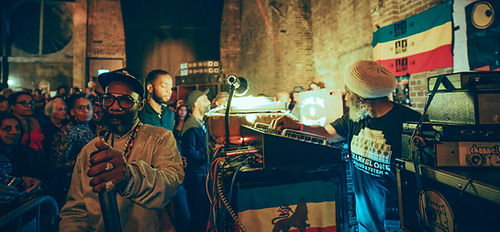
Soun Culture in Manny

Caribbean Cuisine
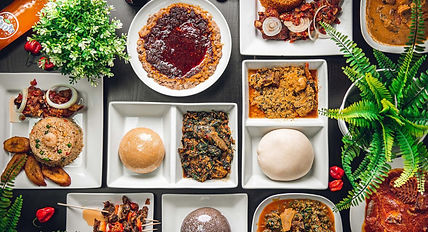
African Cuisine

A statue of Manchester peace campaigner Erinma Bell - made out of weapons melted down.

Arthur Wharton, a hugely talented man in professional football