Marseille, France
Summary
Marseille, located on France’s southern Mediterranean coast, is one of the most diverse and historic port cities in Europe. Known as “the gateway to Africa,” it has long been a hub for trade, migration, and cultural exchange between Europe, North Africa, and the Caribbean.The city’s identity is deeply shaped by its African, Arab, and Creole diasporas, making it a centre for multicultural art, music, and activism.
Population & Ethnic Groups
Marseille has a population of around 870,000, with over 40% of residents tracing roots to Africa or the Caribbean.
Communities include:
-
North African (Algerian, Moroccan, Tunisian)
-
West African (Senegalese, Malian, Ivorian)
-
Caribbean (Guadeloupean, Martinican, Haitian)
-
Comorian (from the Comoros Islands — one of Marseille’s largest diaspora groups)
Neighbourhoods such as Noailles, Le Panier, and La Castellane are known for their strong community spirit and cultural diversity.
Religions
-
Islam – the most practiced faith among North and West African residents.
-
Christianity – practiced by many from the Caribbean and Central Africa.
-
Traditional African beliefs and ancestor remembrance – often integrated into religious or cultural celebrations.
Cultural Significance
Marseille is seen as the soulful heart of multicultural France, often celebrated for its blend of African, Arab, and Mediterranean energy.
The city has become a symbol of resistance and resilience, reflecting the struggles and pride of France’s Black and immigrant communities.
It’s also a centre for hip hop, reggae, and Afro-French identity, serving as a creative voice for those challenging racism and reclaiming heritage.
Historical Events
COLONIAL BACKGROUND
-
Marseille served as a major French colonial port, connecting Europe with North and West Africa, the Caribbean, and the Indian Ocean.
-
The city’s economy benefited from colonial trade, particularly from African and Caribbean territories under French control.
-
Soldiers and workers from Africa and the Caribbean arrived during both World Wars, many of whom settled in Marseille permanently.
POST–WORLD WAR II MIGRATION
-
From the 1940s–1970s, large numbers of migrants from Algeria, Morocco, Senegal, Mali, and the Caribbean moved to Marseille.
-
Many worked in shipyards, factories, and construction, building the modern city while facing discrimination and segregation.
SOCIAL MOVEMENTS
-
1960s–1980s: Black and Arab youth began forming cultural associations, sports clubs, and music groups to assert their identity.
-
2000s–present: Marseille continues to be a centre for anti-racist activism and multicultural arts — from Carnaval de Marseille to Afro-fusion music festivals.
Important Figures
-
Akhenaton (IAM) – rapper and activist from the legendary group IAM, blending North African and African diasporic sounds.
-
Soprano – Comorian-French artist promoting unity, identity, and hope through hip hop and pop.
-
Keny Arkana – socially conscious rapper from Marseille’s working-class districts.
-
Alain Bashung & Massilia Sound System – pioneers of the city’s multicultural music blend.
-
Willy William – Afro-French musician with Caribbean roots, representing Marseille’s global sound.
Cultural Identity & Expression
LANGUAGES & DIALECTS
-
French is the main language, but Arabic dialects, Comorian, and West African languages like Wolof and Bambara are widely spoken.
-
Local slang known as “Marseillais argot” mixes French, Arabic, and African words — reflecting the city’s hybrid identity.
MUSIC, ART & DANCE FORMS
-
Hip hop and reggae dominate Marseille’s cultural sound, pioneered by groups like IAM, Psy 4 de la Rime, and Massilia Sound System.
-
Afrobeat, raï, and Caribbean zouk also thrive, connecting Marseille to Africa and the Caribbean.
-
Street art and murals depict African heroes, unity, and anti-colonial pride across the city.
TRADITIONAL CLOTHING & HAIRSTYLES
-
African fabrics such as bazin and ankara are worn proudly during festivals and celebrations.
-
Hairstyles like braids, twists, and locs remain powerful cultural symbols for both identity and resistance.
FOOD & CUISINE
Marseille’s food scene blends Mediterranean and African-Caribbean flavors:
-
Couscous royal (North African staple)
-
Accras de morue (Caribbean fritters)
-
Yassa chicken and mafé (West African dishes)
-
Bouillabaisse (Marseille’s signature fish stew, now reinterpreted with African spices)
Communal eating is a sign of unity, often shared across families and communities.
Spiritual & Cultural Values
-
Community and solidarity are at the heart of Marseille’s diasporic life.
-
Respect for elders, ancestral remembrance, and music as healing continue from African and Caribbean traditions.
-
Festivals and carnivals showcase both joy and resistance — expressing the strength of Black and immigrant identity in France.
Modern Influence & Diaspora Connections
MIGRATION HISTORY
Marseille remains a primary entry point for migrants from Africa and the Indian Ocean.
Recent arrivals from Congo, Guinea, and the Comoros continue to enrich the city’s African cultural presence.
DIASPORA PRESENCE
Strong cultural associations connect Marseille to West Africa, the Caribbean, and the Indian Ocean, maintaining traditions through food, music, and festivals.
INFLUENCE ON GLOBAL CULTURE
-
Marseille’s Afro-French artists influence Europe’s hip hop, reggae, and Afrobeat scenes.
-
The city’s Pan-African identity and solidarity movements inspire activists across the diaspora.
-
Marseille is often described as “France’s heartbeat of Africa” — where heritage meets the Mediterranean.
Significant Facts / Symbols
-
Port of Marseille – historical link between France and Africa.
-
Carnaval de Marseille – multicultural festival celebrating African, Caribbean, and Mediterranean unity.
-
Cité des Arts de la Rue – artistic space showcasing African and Caribbean creativity.
-
Mucem (Museum of European and Mediterranean Civilisations) – includes exhibitions on migration and diaspora.
References / Sources
-
Al Jazeera English – Marseille: The Other France
-
France 24 – The Changing Face of Marseille
-
BBC Culture – Marseille’s African Soul
-
Mucem Museum Archives
-
UNESCO – Intangible Cultural Heritage of Marseille’s Mediterranean Communities
Visuals / Media
Map Of The Region


Music Sample or Playlist
Short Video / Documentary
Cultural Images

French Flag

Port City Connections
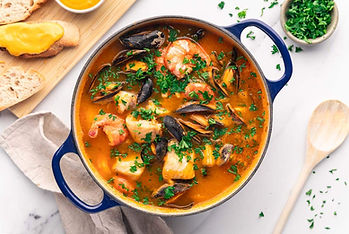
Bouillabaisse

Murals

Soprano, A French Artist

Africa Fête
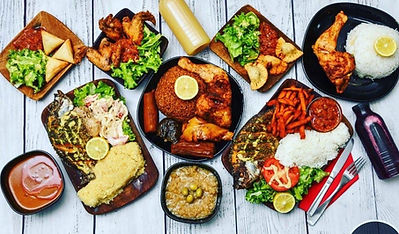
African Cuisine

Caribbean Cuisine

Colonial History Of Marseille